Developmental pattern
Final Consonant Deletion
The last consonant of a word gets left off entirely.
- Resolves by
- By 3;3
- Sounds affected
- All final consonants
- Minimal pairs
- 19
What it sounds like
- "boat" becomes "bow"
- "cup" becomes "cuh"
- "dog" becomes "daw"
- "nose" becomes "no"
Also called: FCD, open syllable production
What is going on
Very early words tend to be open syllables - ma, da, ba. Consonants at the ends of words come later, because the child has to plan a closing gesture after the vowel is already running. Until that planning is in place, the ending simply falls off.
This is one of the highest-impact patterns for intelligibility, because English carries an enormous amount of meaning at the ends of words - plurals, past tense, possessives, and the difference between "bee" and "beach." A child with final consonant deletion can be very hard to follow even when every other sound is correct.
Try this at home
When to refer
Picture-ready minimal pairs
19 pairsThese pairs have two distinct picture subjects. Put both pictures on the table and take turns asking for one. If the two words sound alike, slow down and compare the sounds together. The printable word list has additional listening contrasts.
/t/ · 3 pairs
- vs

boat
final
bow
- vs
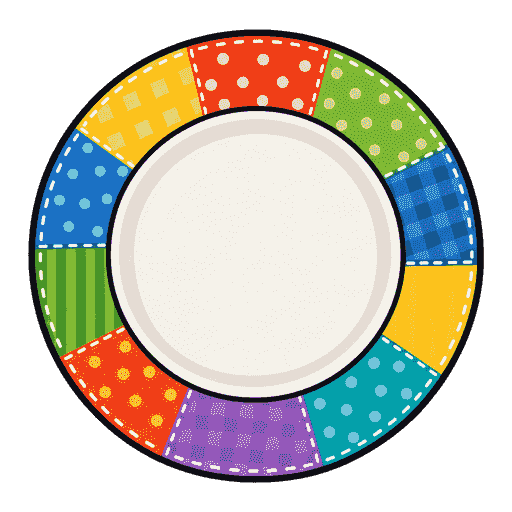
plate
final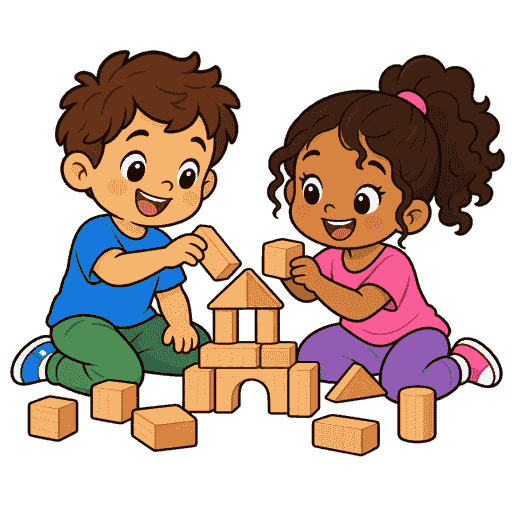
play
- vs
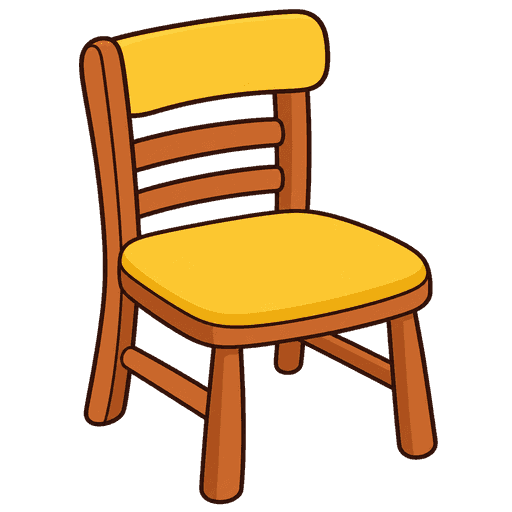
seat
final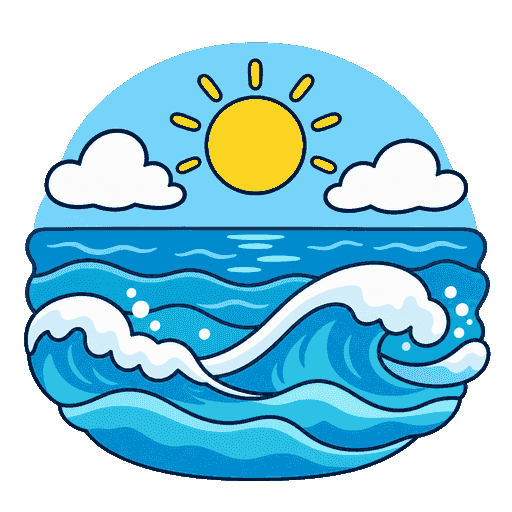
sea
/d/ · 2 pairs
- vs
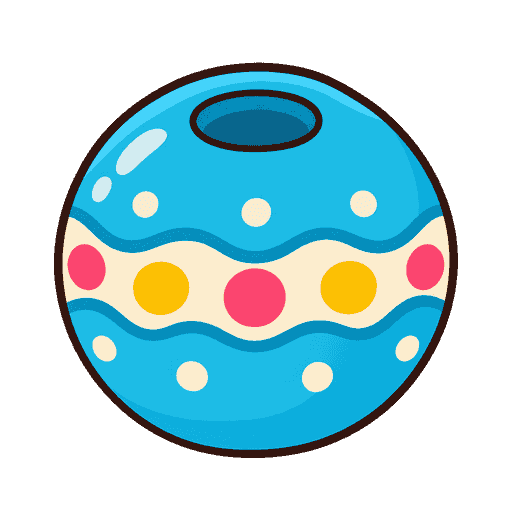
bead
final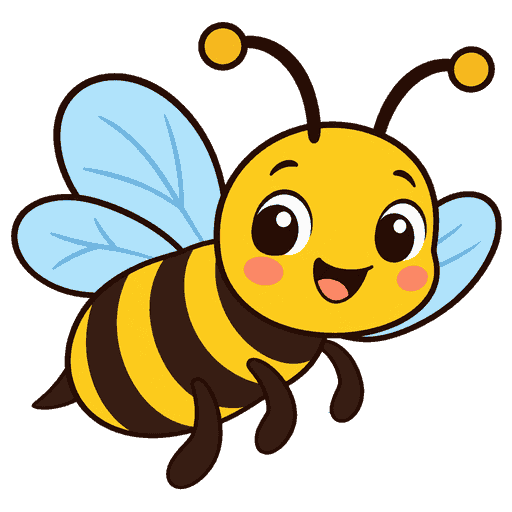
bee
- vs

toad
final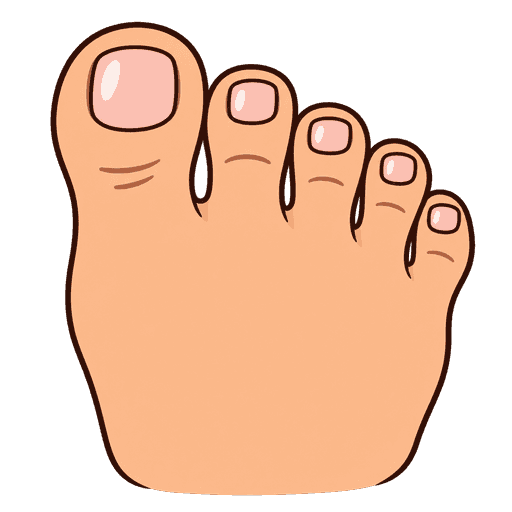
toe
/z/ · 9 pairs
- vs
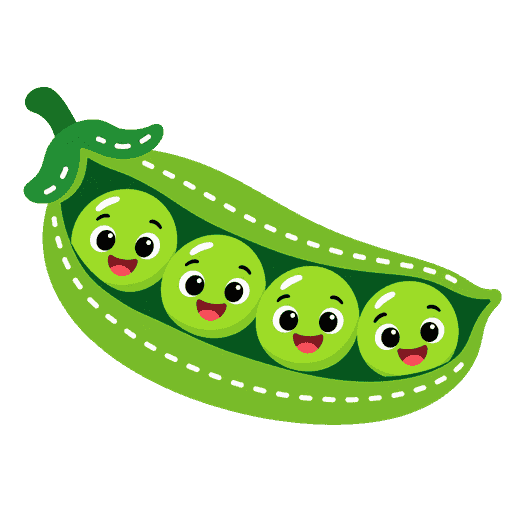
peas
final
pea
- vs
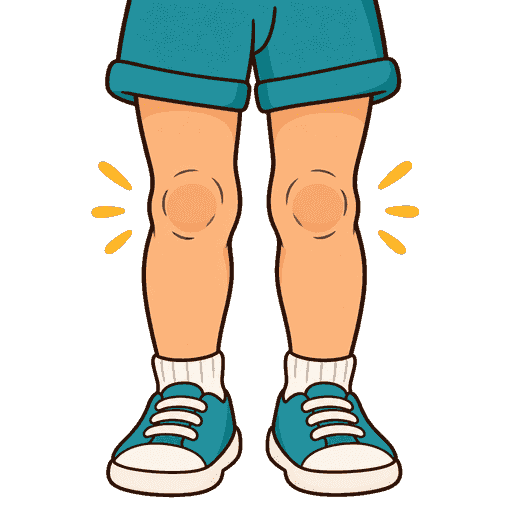
knees
final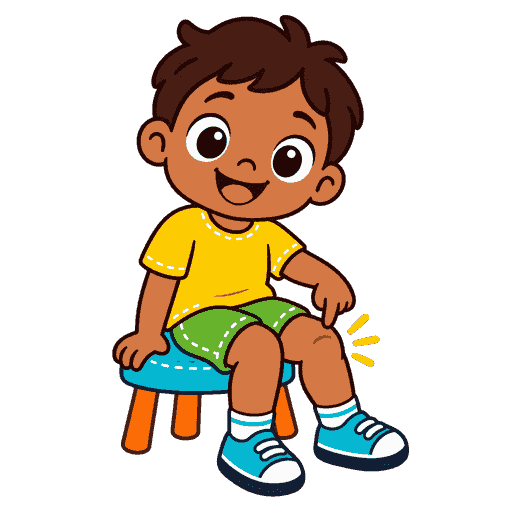
knee
- vs
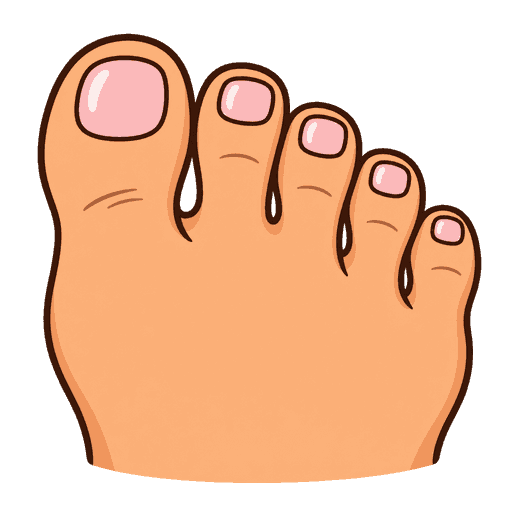
toes
finaltoe
- vs
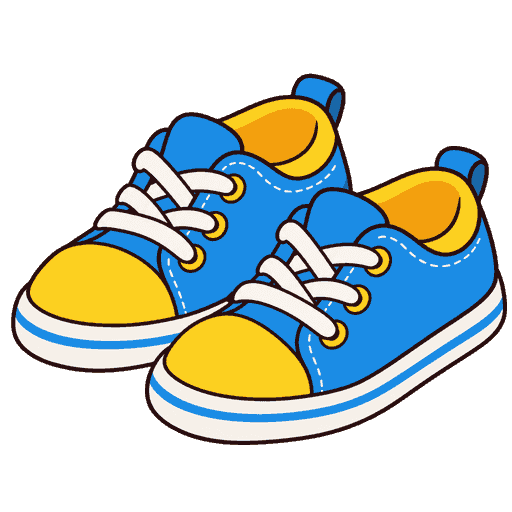
shoes
final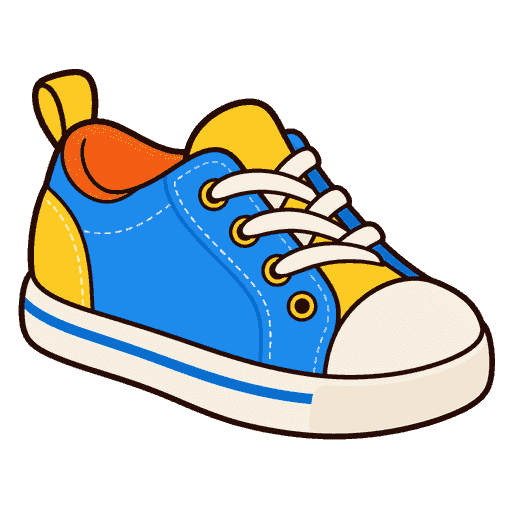
shoe
- vs
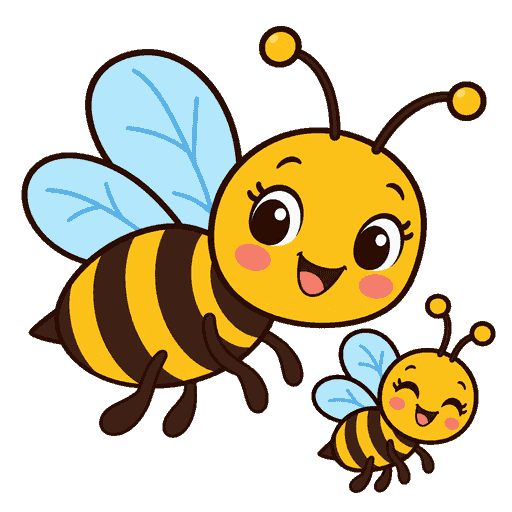
bees
finalbee
- vs
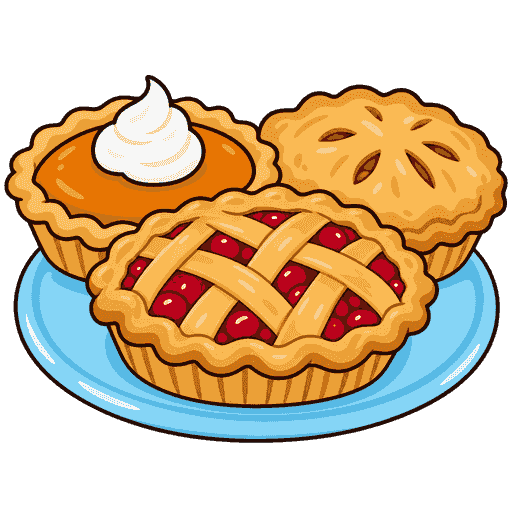
pies
final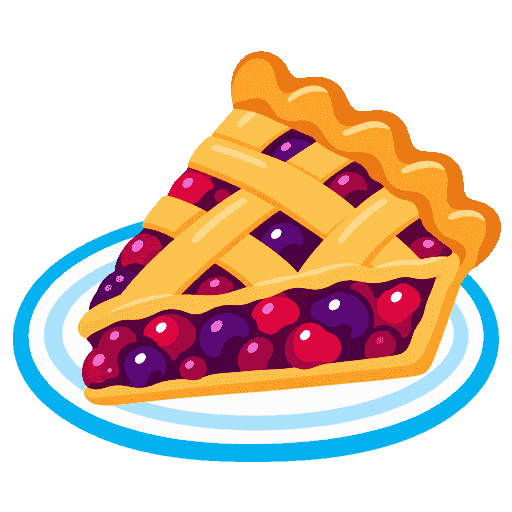
pie
- vs
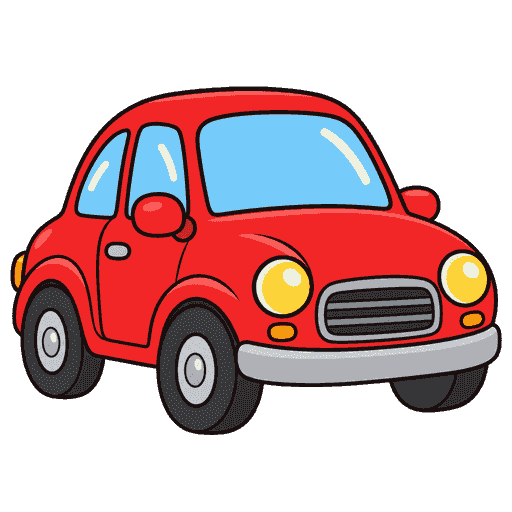
cars
final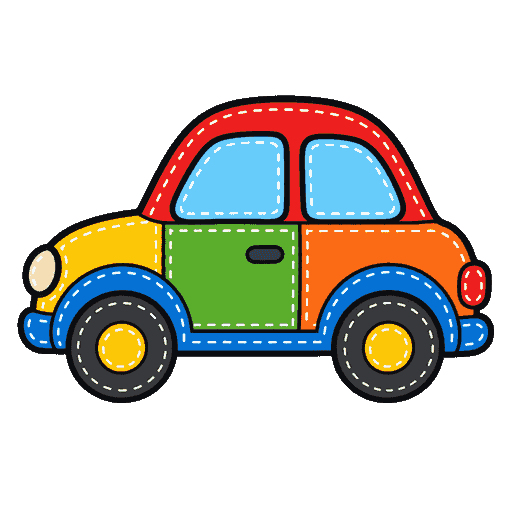
car
- vs
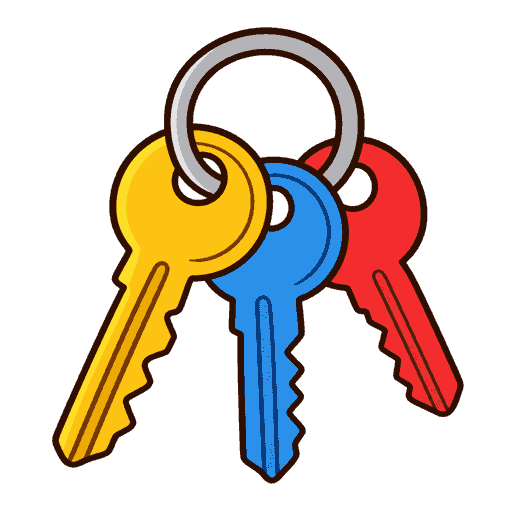
keys
final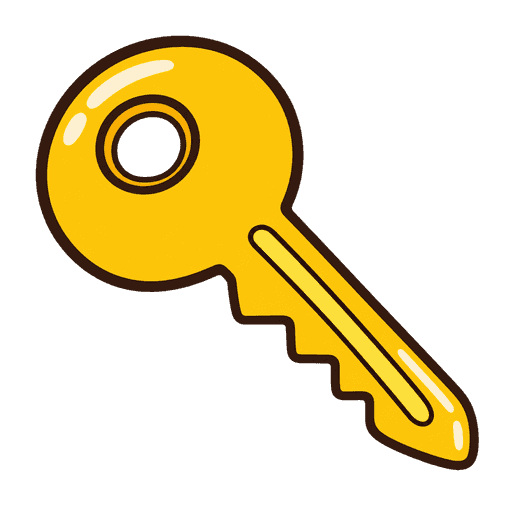
key
- vs

rose
final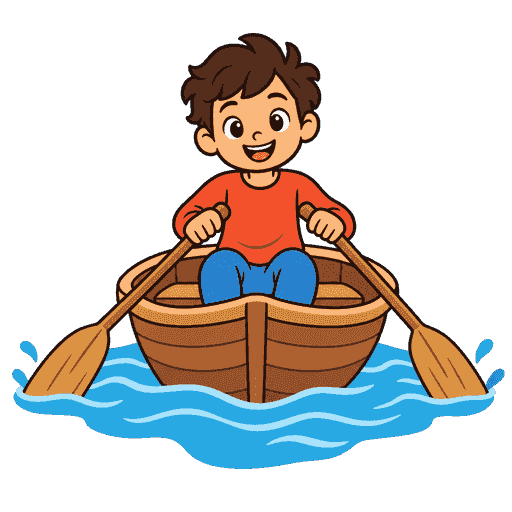
row
/p/ · 2 pairs
- vs
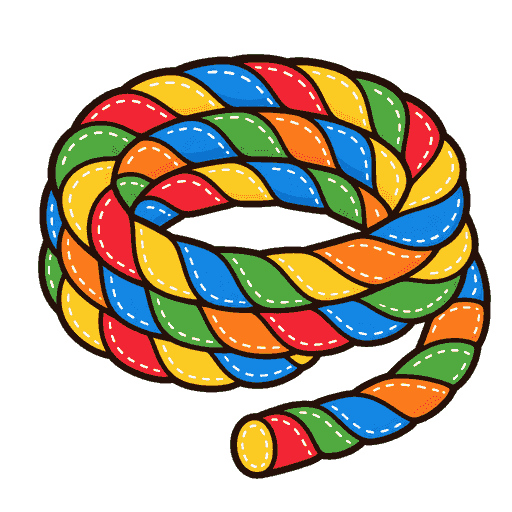
rope
finalrow
- vs
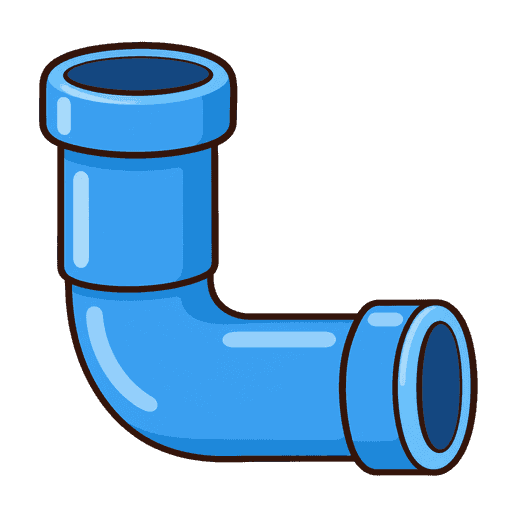
pipe
finalpie
/n/ · 2 pairs
- vs
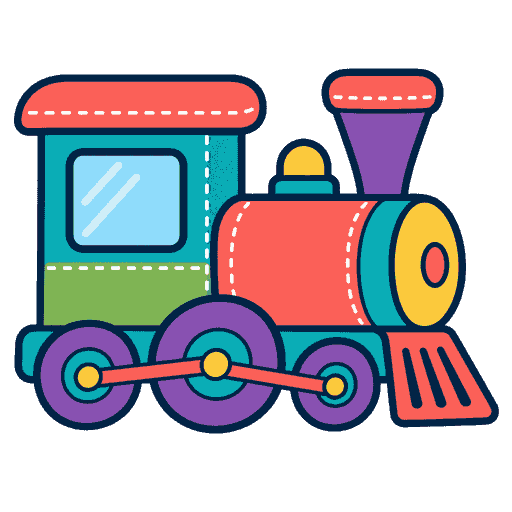
train
final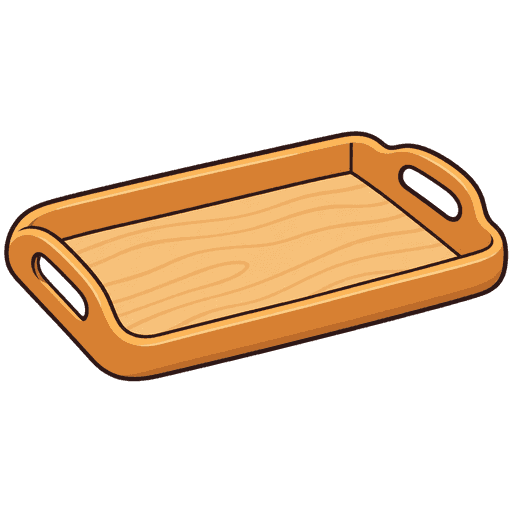
tray
- vs
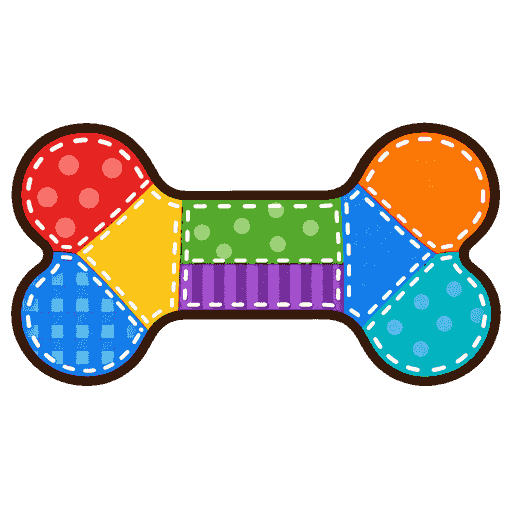
bone
finalbow
/k/ · 1 pairs
- vs
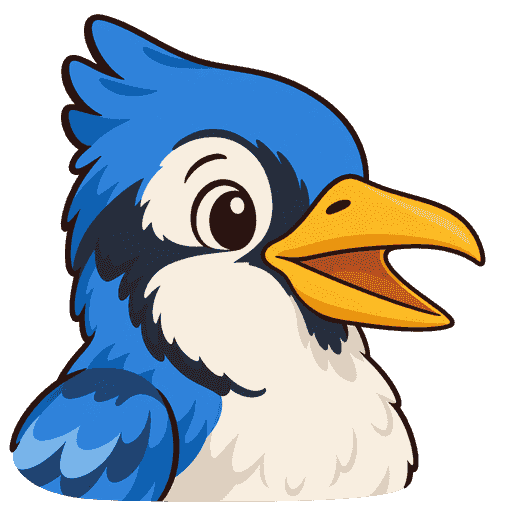
beak
finalbee
Play it
Choose one of six games, then pick a speech sound and word position before playing.
See the six games